


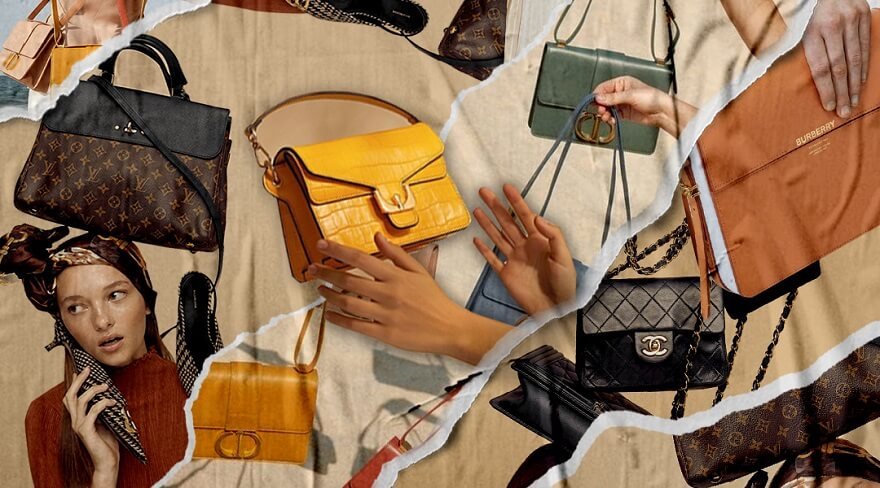
The market for replica fashion items exists within a complex global landscape. These replica products, which infringe on intellectual property rights, are primarily sought for their affordability and perceived value.
A significant portion of this global trade is facilitated by supply chains in China, a country that also hosts legitimate manufacturing for many authentic brands. The price disparity between replicas and originals—often exceeding 90%—is attributed to factors such as lower production costs, accessible materials, and highly optimized, specialized manufacturing networks.
In China, replica goods are made in many small, specialized workshops spread across different areas, not in big factories. These workshops make things like bags, clothes, and shoes, often by hand. They buy materials from other suppliers and hire specialized factories to handle certain steps. Because so many small workshops are involved, competition is high. This keeps prices low but also means quality can vary a lot—from poor to very good. This variety has led to an unofficial rating system (like A, AA, AAA) to describe different quality levels.
The quality of imitation products is commonly graded on an informal scale, typically from A to AAA. Items labeled as AAA are designed to closely mirror the originals in both aesthetic and material composition, making visual distinction difficult for the average observer.
Commonly replicated categories include apparel, handbags, footwear, consumer electronics, and watches. These items emulate the designs of premium brands and are often constructed to a standard deemed acceptable for use, though they inherently lack the quality assurance and longevity of genuine products.
Sourcing these goods requires specific strategies, as they are not listed openly. Direct searches for brand names are ineffective. Common methods include using image-based search tools on B2B platforms or employing coded keywords related to product models or quality tiers (e.g., “AAA bag”). Initial searches may reveal lower-quality adaptations with misspelled brand names.
Considerations for Volume Procurement
The wholesale replica market offers extensive selection. Key factors for buyers include:
Verifying Quality: Always request physical samples before committing to bulk orders.
Understanding Grading: Clarify the expected quality level using the A-AAA+ scale during inquiries.
Price Analysis: Conduct cross-platform price comparisons, noting that cost often correlates with fidelity.
Supplier Vetting: Prioritize transactions with verifiable, registered business entities.
Specification Clarity: Confirm details regarding logos, materials, and any seller warranties.
Leveraging Feedback: Scrutinize existing customer reviews for insights into product consistency and seller reliability.
The market is saturated with unauthorized copies of major fashion houses’ products.
Navigating the vast replica market requires careful consideration. Before making a purchase, keep these key points in mind:
Inspect Quality First: Never rely solely on photos. For any significant order, always request a physical sample to evaluate craftsmanship.
Understand the “Grades”: Sellers often use codes like A, AA, or AAA+. Use these terms in searches, but remember they are unofficial and subjective—”AAA+” typically denotes the highest available imitation.
Research Pricing: Compare costs across different sellers. While a higher price can indicate better materials, it’s not a guarantee.
Verify the Seller: Look for suppliers with business credentials and a track record, which adds a layer of reliability.
Check Specific Details: If logos are important, confirm their accuracy. For materials, ask for specifics rather than generic descriptions.
Look for Buyer Protections: Some sellers may offer guarantees. Be aware that warranties in this market are often limited.
Read Between the Lines: Analyze customer reviews for consistent comments on quality, accuracy, and the seller’s responsiveness.
The market is saturated with unauthorized copies of luxury brands.
While the shipping process itself is standard, the key factor is your country’s customs regulations. Many countries have strict laws prohibiting or restricting the import of counterfeit products. It is essential to research these rules thoroughly to avoid seizure of the shipment or legal penalties.
You should confirm the shipping fees directly with the seller. Some sellers include “free shipping,” but be aware that import duties and taxes may still apply upon arrival in your country. Others may offer DDP (Delivered Duty Paid) service, meaning their quoted price covers all costs, with no extra charges for shipping or customs.
The production of counterfeit goods in China is geographically focused. Key regions and their associated product specialties include:
Guangzhou: Apparel, handbags, shoes, accessories.
Shenzhen: Electronics, replica watches.
Yiwu: General merchandise, accessories, toys, stationery.
Quanzhou/Jinjiang: Sports shoes and athletic wear.
Dongguan: Electronics and accessories.
Wenzhou: Shoes, eyewear, leather goods.
These areas leverage local manufacturing infrastructure and supply chains to produce specific categories of replica products.
The sale of replica products in China is facilitated through several key online avenues:
WeChat: Sales occur privately through Moments feeds, groups, and Mini Programs, with transactions finalized via direct message.
Taobao/1688 & Pinduoduo: Sellers bypass platform bans using vague listings, images without text, and by shifting customer interaction to private chats.
Social E-commerce (Xiaohongshu, Douyin): Goods are promoted in video content, with sales conducted off-platform via private messages.
Buying Agent (Personal Shoppers): Individuals market supposed overseas authentic goods on social media, often sourcing actual inventory from domestic replica markets.
Dedicated Websites: Standalone sites sell counterfeits directly, sometimes restricting access to evade authorities.
Luxuryreplicastore is a professional supplier of replica products for more than 10 years. We can know many factories of replica shoes, bags, clothing, watches, etc. We have servced for thousands of clients from more than 100 countries around the world.
Besides, we know professional shipping agent to ship the item safe to your hands.
Contact us now !!!

Lorem ipsum dolor sit amet, consectetur adipiscing elit, sed do eiusmod tempor incididunt ut labore et dolore magna aliqua.
One-stop buying luxury brand bags, shoes, belts, etc.
Your comments help us improve our website
© Copyright 2024, LuxuryReplicaStore.com
WhatsApp us